
Starbucks Korea Rolls Out Bio-based Biodegradable Plastic Straws Nationwide
2025-11-14(322) hits
On November 4, Starbucks Korea announced that, except for Jeju Island, all stores nationwide have introduced plant-based plastic straws. The company stated: “After the pilot program, we decided to expand this service to all stores based on customer feedback. We will operate this system alongside the existing paper straws to provide customers with more choices.”
This move marks the nationwide expansion of the “plant-based plastic straw” initiative. Since June, the program has been piloted at about 200 stores in Seoul and Gyeonggi Province. Customers can choose between paper straws and plastic straws when ordering beverages. Jeju Island was excluded from the rollout due to provincial regulations requiring it to become a “plastic-free island” by 2040.
The newly introduced green plastic straws are made of biodegradable plastic (Bio-PBS) derived from sugarcane. Starbucks explained: “Compared to conventional plastics, these straws can reduce carbon emissions and significantly decrease microplastic generation.” The company added, “We made this choice considering both environmental sustainability and customer satisfaction.” They also noted, “As part of our efforts to address climate change, we plan to expand our use of eco-friendly materials.”
In 2018, through its “One Planet Promise” initiative, Starbucks became the first food and beverage company in Korea to fully adopt paper straws. However, consumer complaints continued, such as paper straws becoming mushy after contact with drinks, and certain coatings making them difficult to recycle. There were also concerns about paper straws breaking down or losing their flavor, especially in summer.
To address these inconveniences, Starbucks has continued researching alternative plastic materials. After receiving positive customer feedback from some stores, the company decided to roll out the initiative nationwide. Evaluations showed that the bioplastic made from sugarcane by-products is recyclable while maintaining the strength and durability of traditional plastics.
Consumer reactions have been positive, with comments such as “It’s finally back” and “This is the real Starbucks.” However, some people pointed out that “there are still fundamental limitations that hinder the reduction of single-use items.”

Latest article promotion
-

How to determine the quality of "plastic masterbatch"? What is the practical value of plastic masterbatch?
Because of the realization of various scientific and technological processes, there will also be more steps for the pro......
-
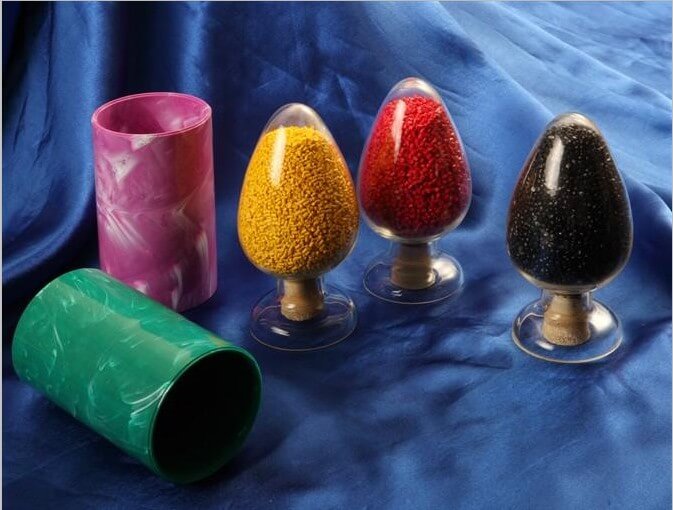
What factors affect the quality of black mother?
In the process of making a product, there are many factors that affect the quality of the finished product, whether it ......
-
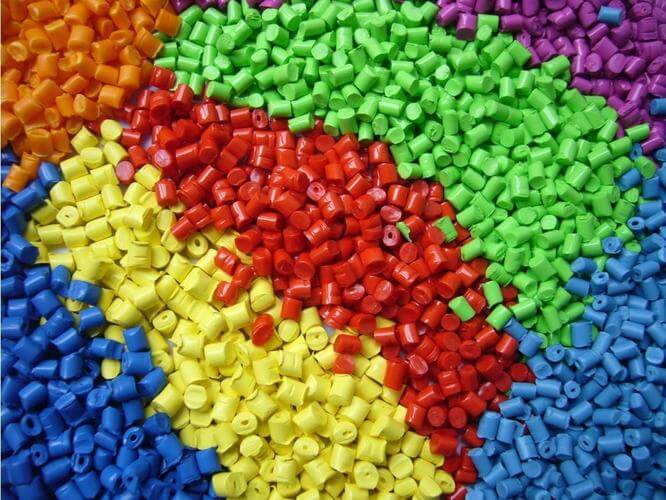
What is the main use of the masterbatch?
The color masterbatch is made of a high proportion of additives and pigments or thermoplastic resins, the plastic paste......
-
What factors can cause the color master to fade?
The application range of color masterbatch is very wide, as long as it is basically plastic is needed, sometimes in use......
Quality article recommendation
-
How to determine the quality of "plastic masterbatch"? What is the practical value of plastic masterbatch?
Because of the realization of various scientific and technological processes, there will also be more steps for the pro......
-
What factors affect the quality of black mother?
In the process of making a product, there are many factors that affect the quality of the finished product, whether it ......
-
What is the main use of the masterbatch?
The color masterbatch is made of a high proportion of additives and pigments or thermoplastic resins, the plastic paste......
-
What factors can cause the color master to fade?
The application range of color masterbatch is very wide, as long as it is basically plastic is needed, sometimes in use......